



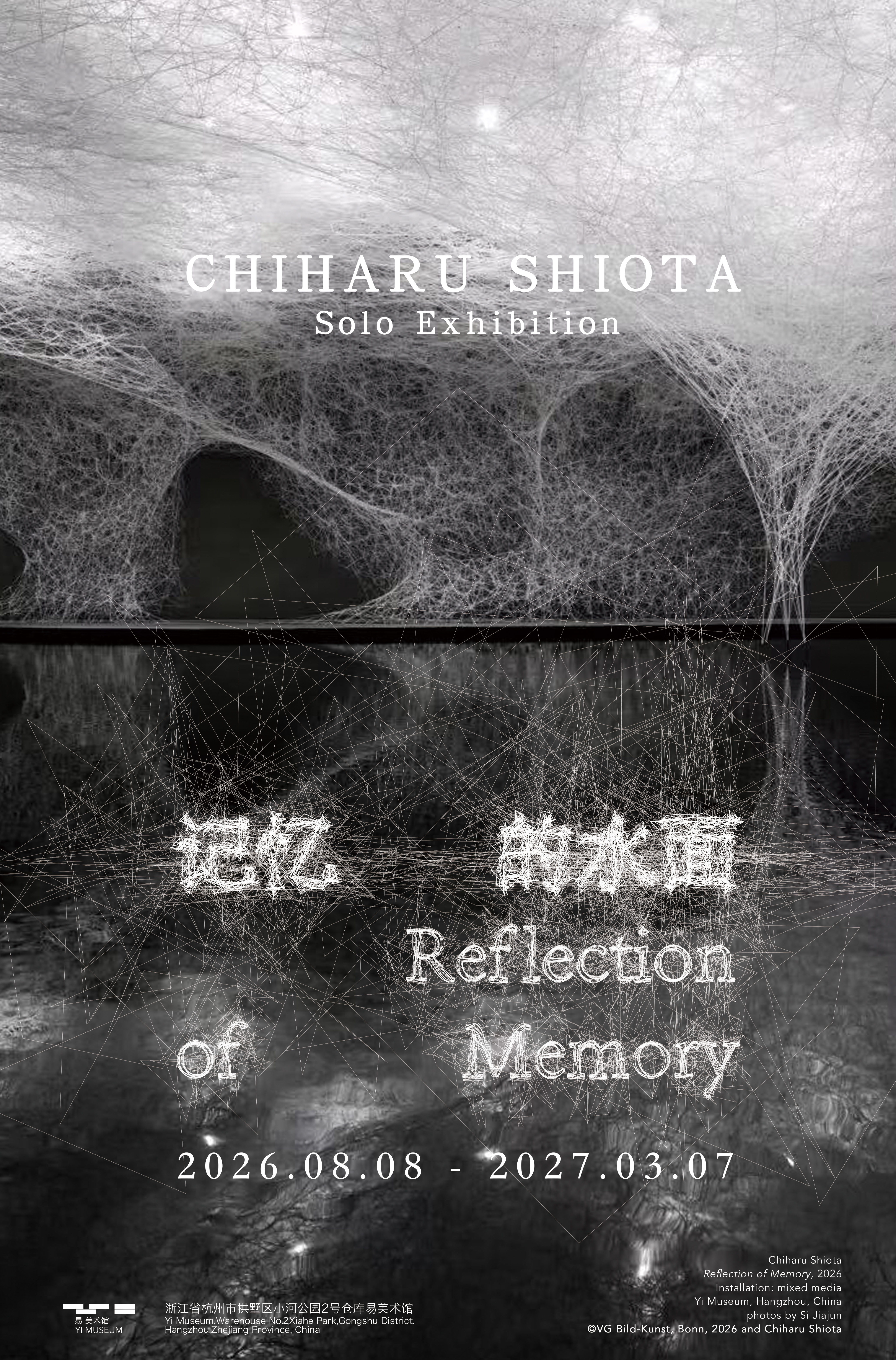

记忆的水面
Reflection of Memory
2026.08.08-2027.03.07
艺术家Artist
盐田千春 Chiharu Shiota
盐田千春 Chiharu Shiota
主办单位
杭州易美术馆Yi Museum
杭州易美术馆Yi Museum
策展人
楼烨
楼烨
地址
杭州市拱墅区小河公园二号仓库易美术馆
杭州市拱墅区小河公园二号仓库易美术馆
杭州是一座由水编织的城市。西湖波光、运河舟影、绵延梅雨织就的水雾,共同构筑了这座城市的空间感知基底;水渗入砖墙、漫过桥拱,映照出每一个经过它的人。
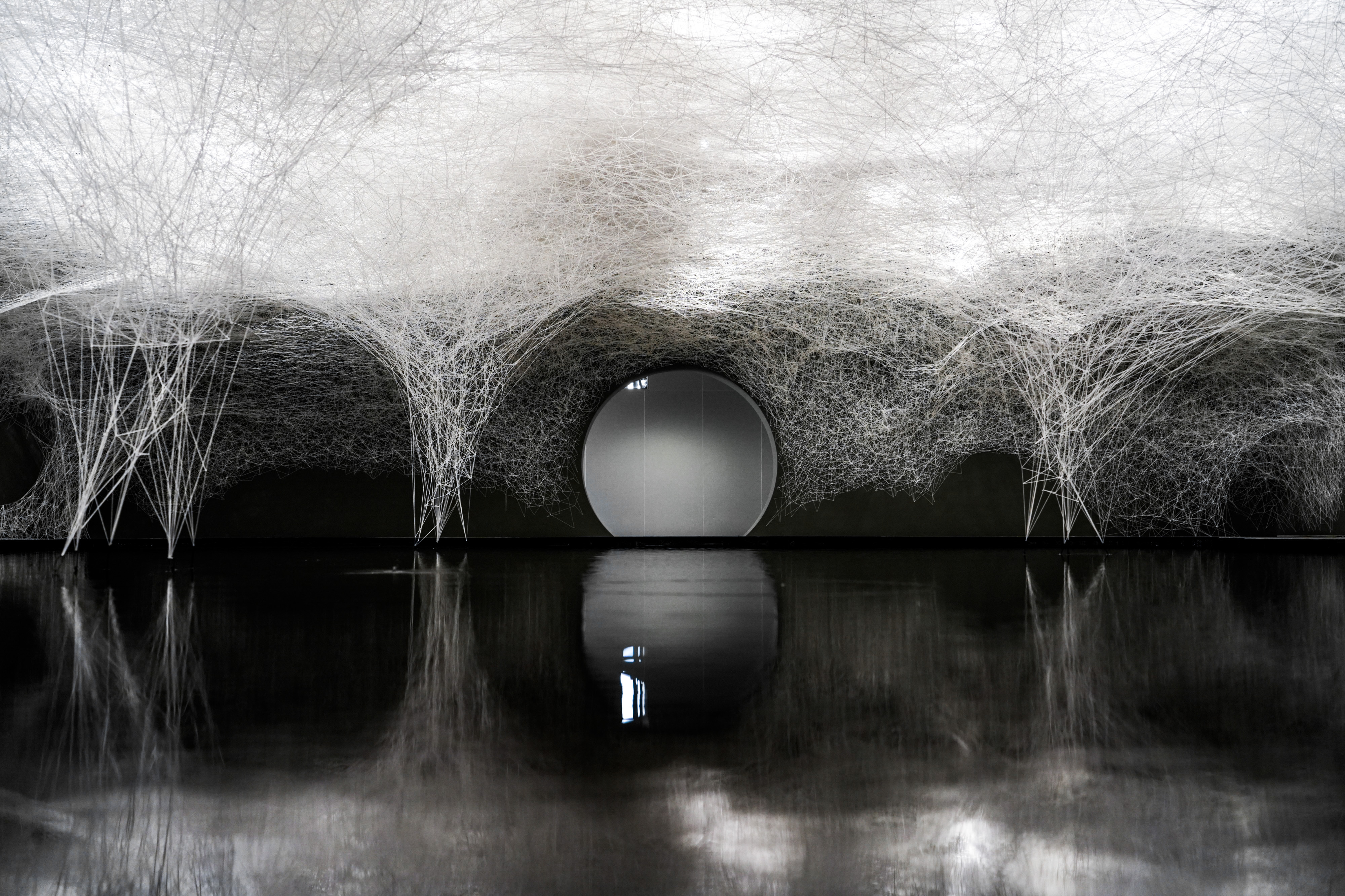
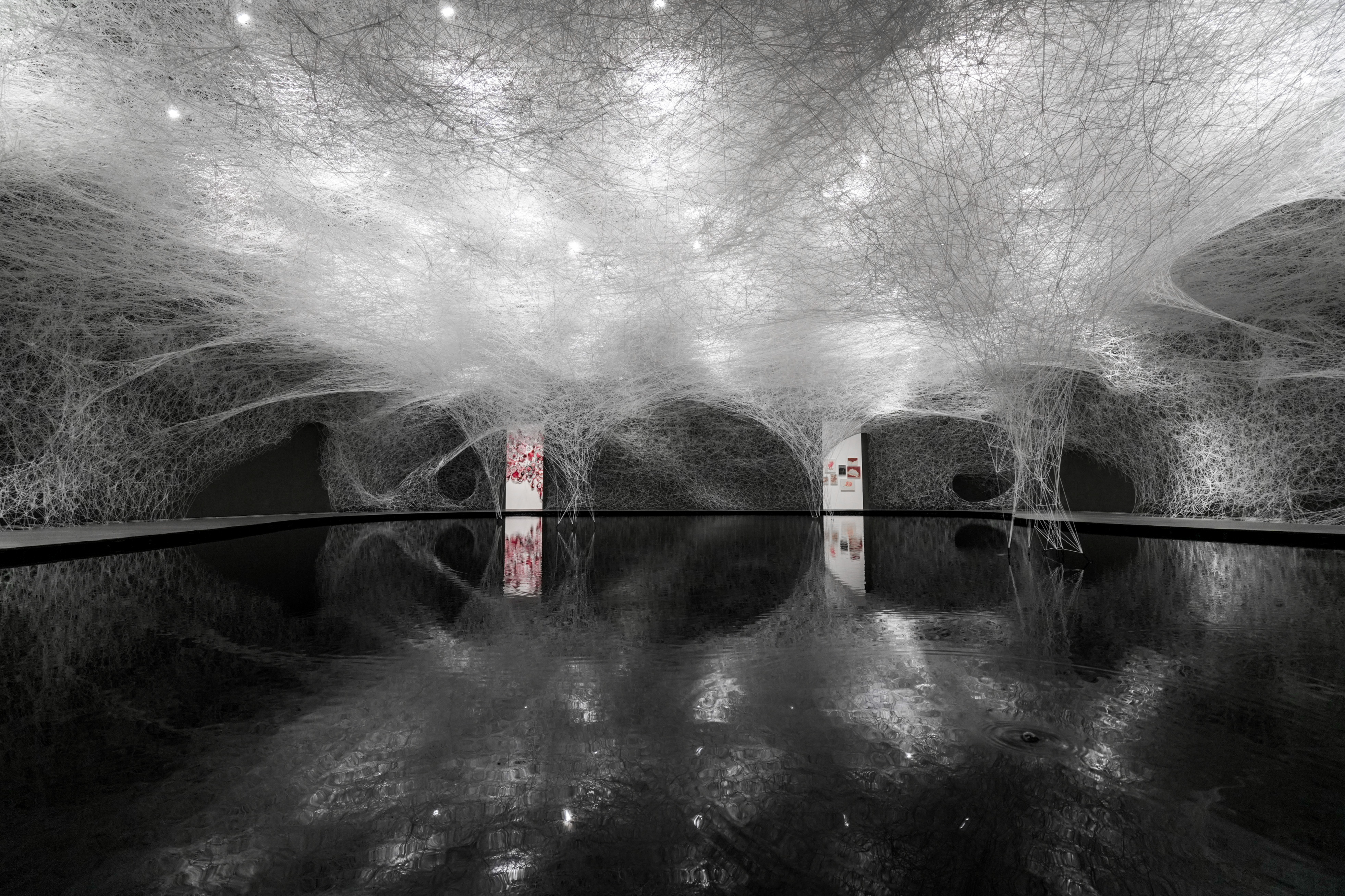
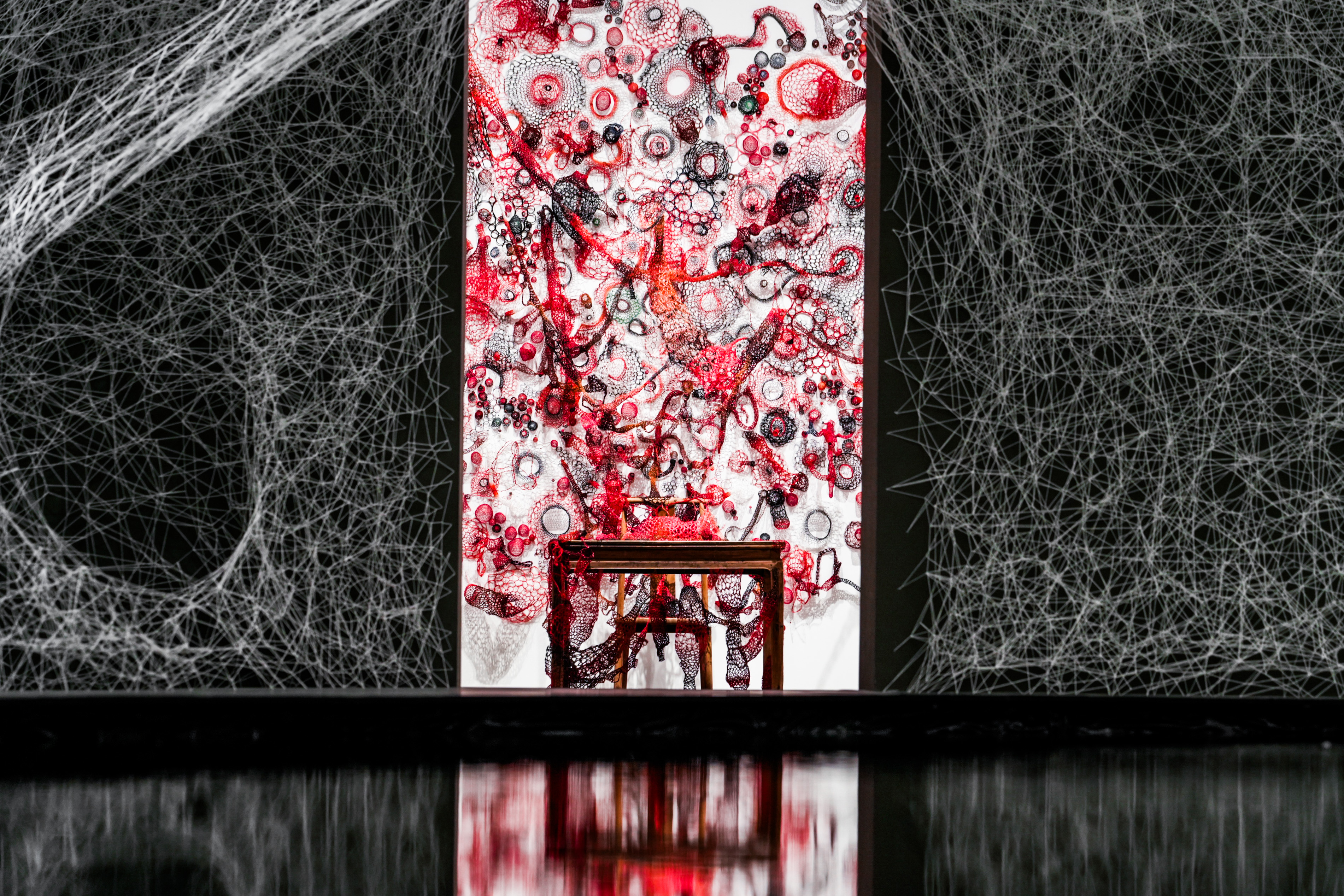
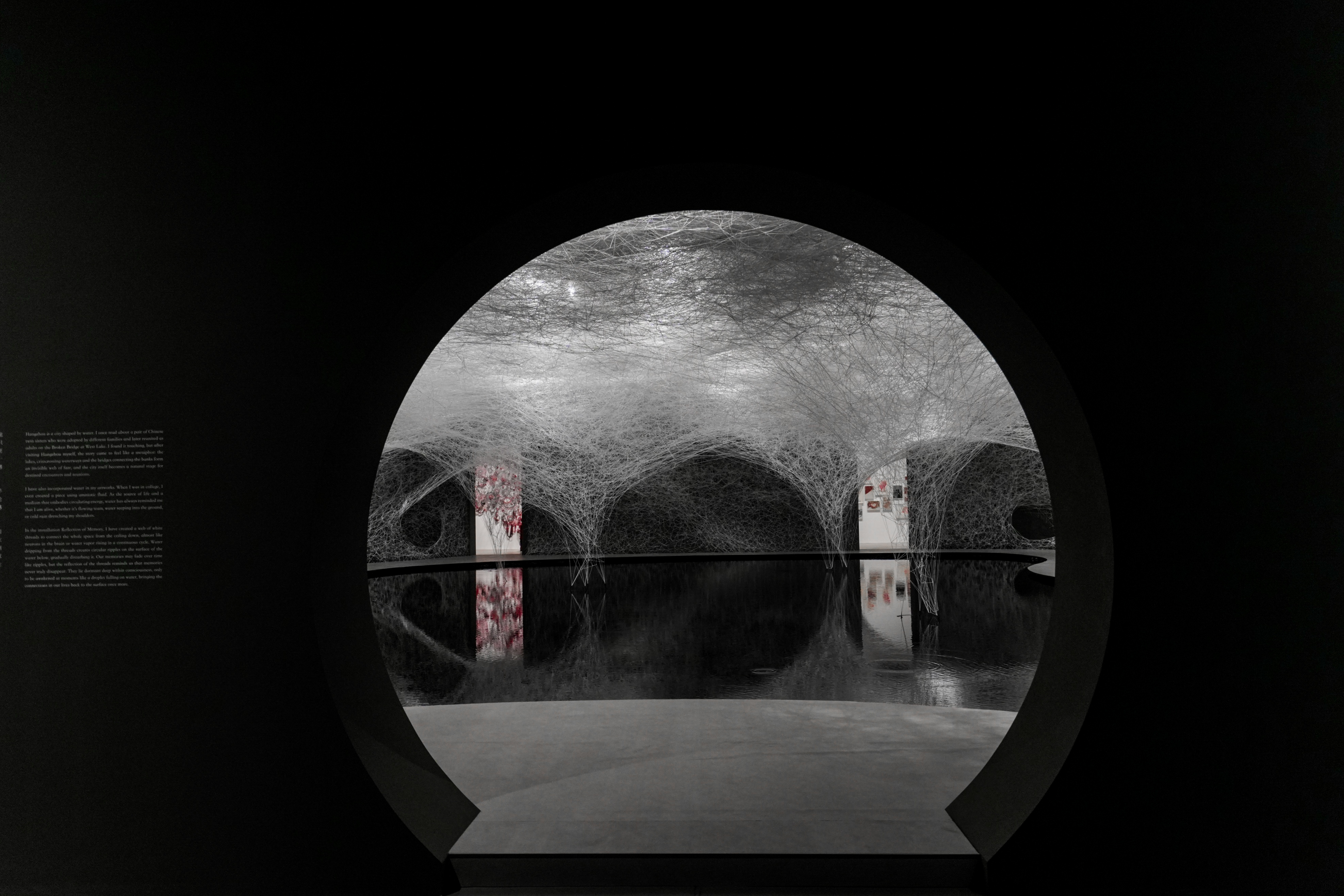
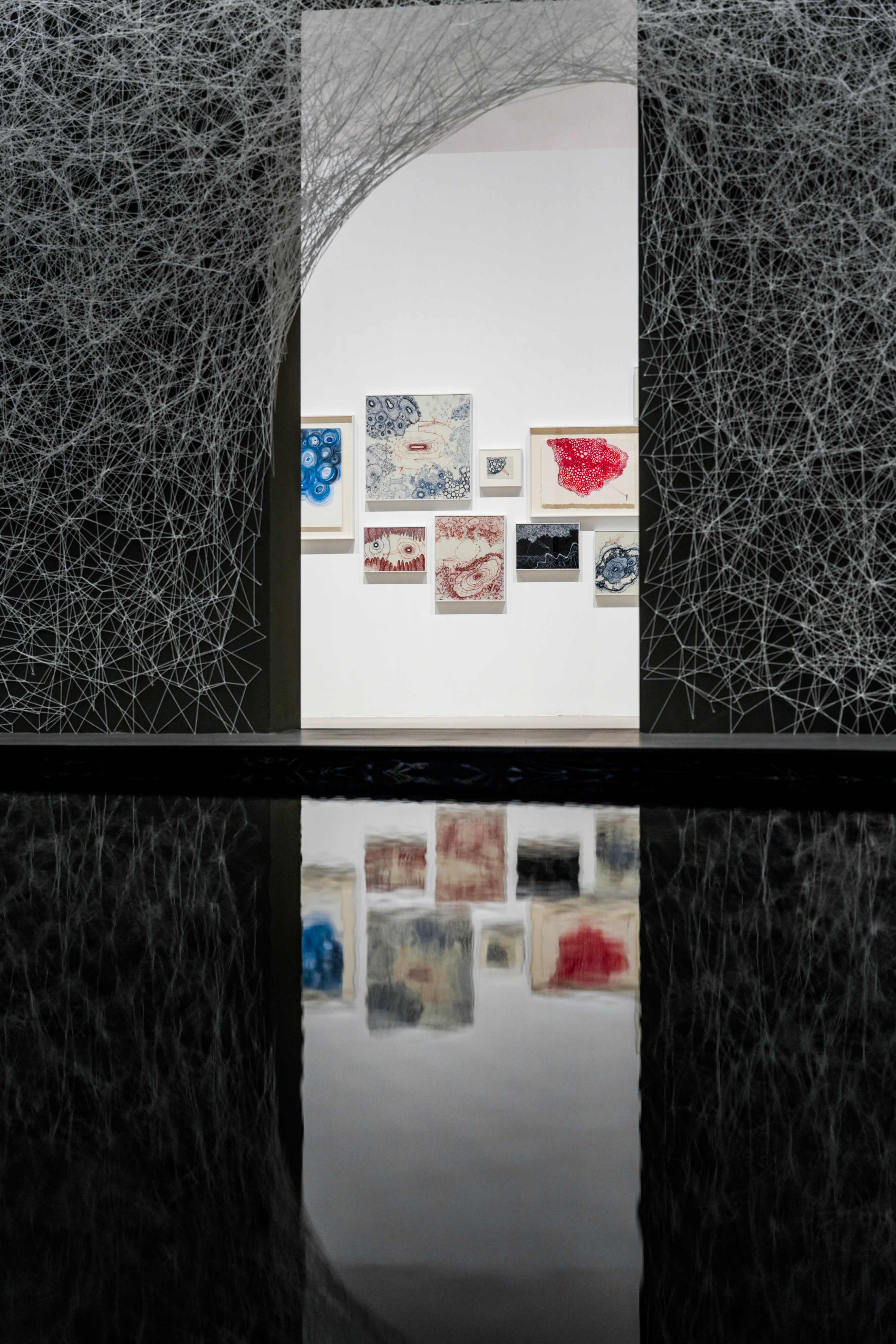
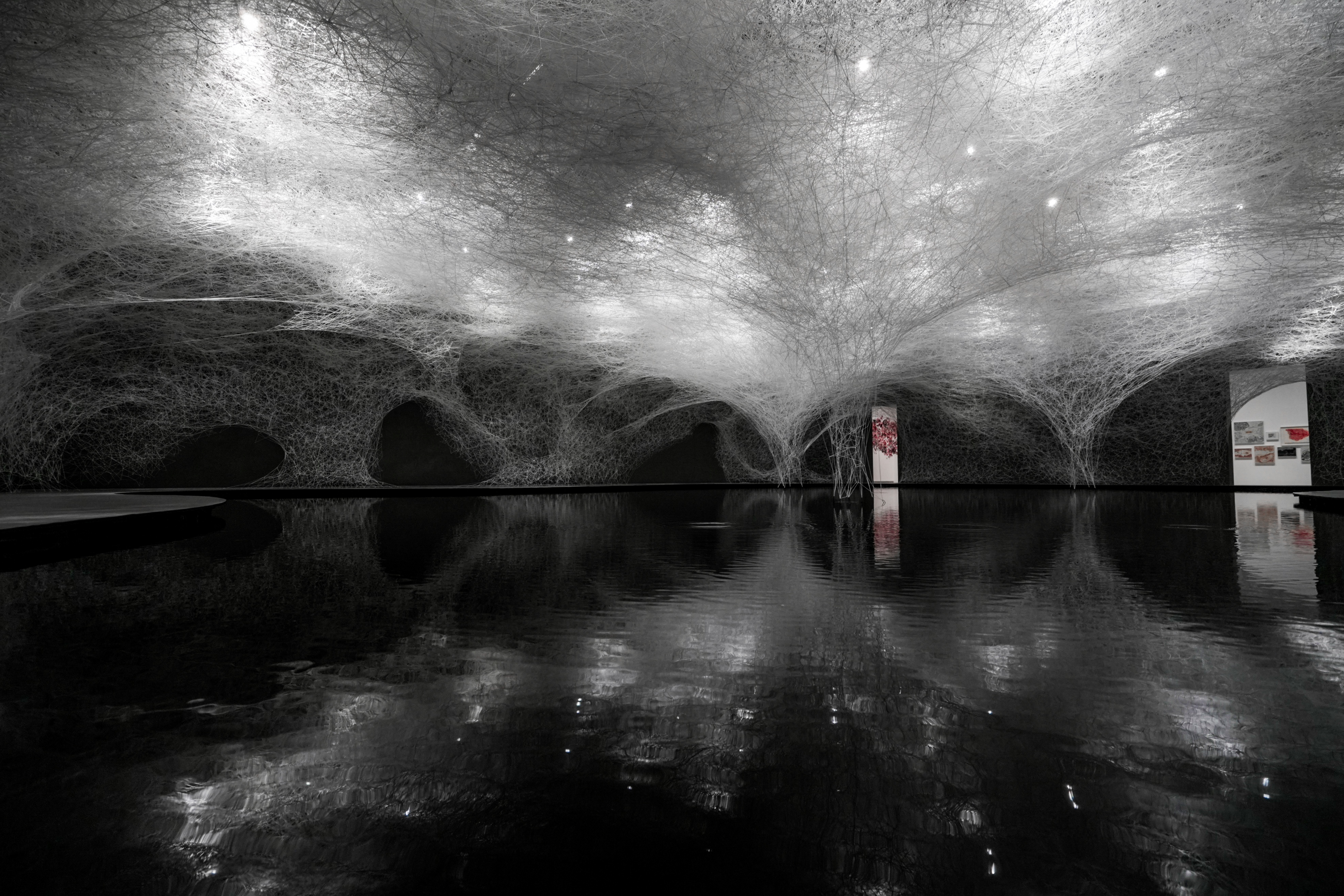
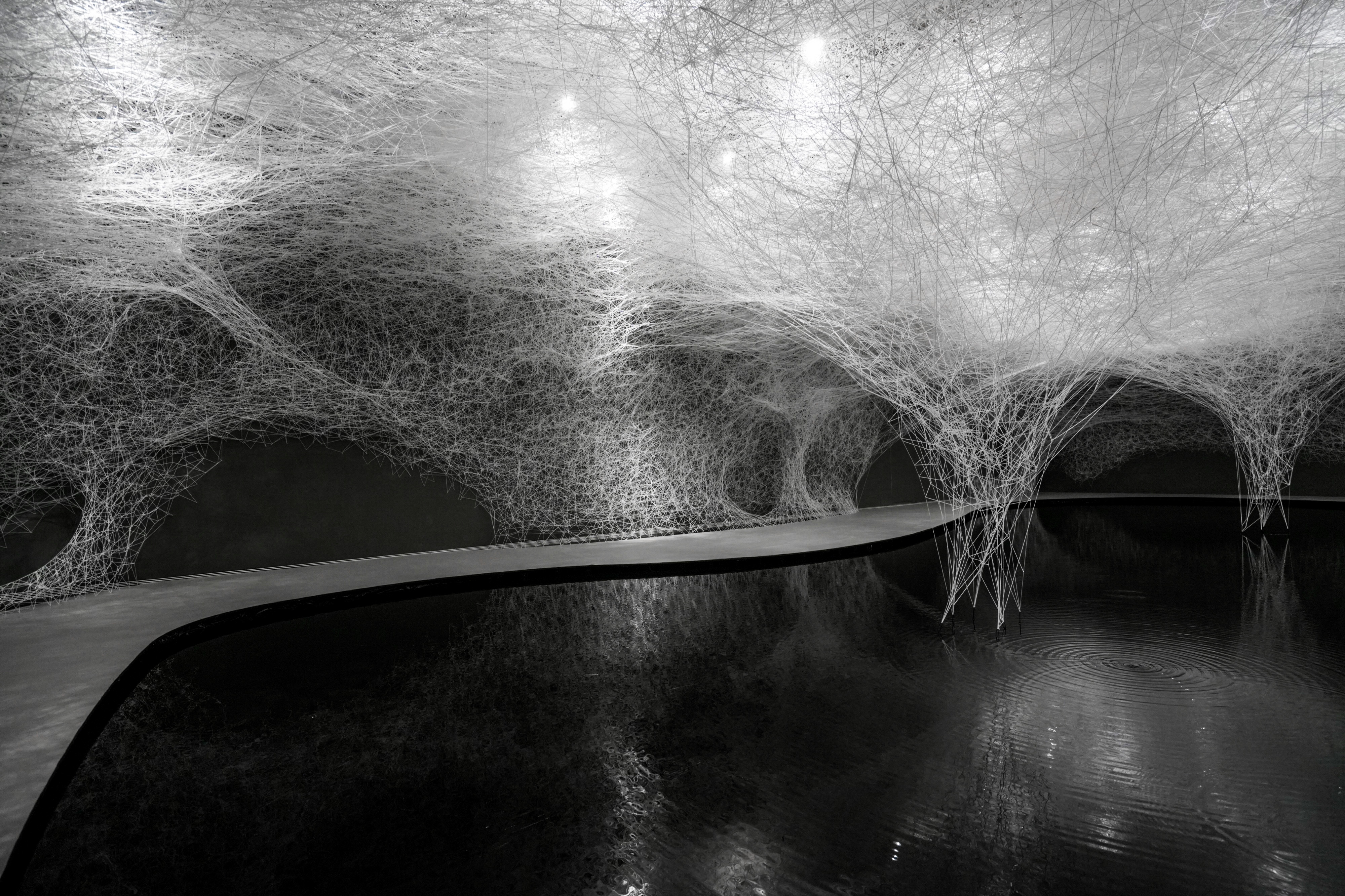
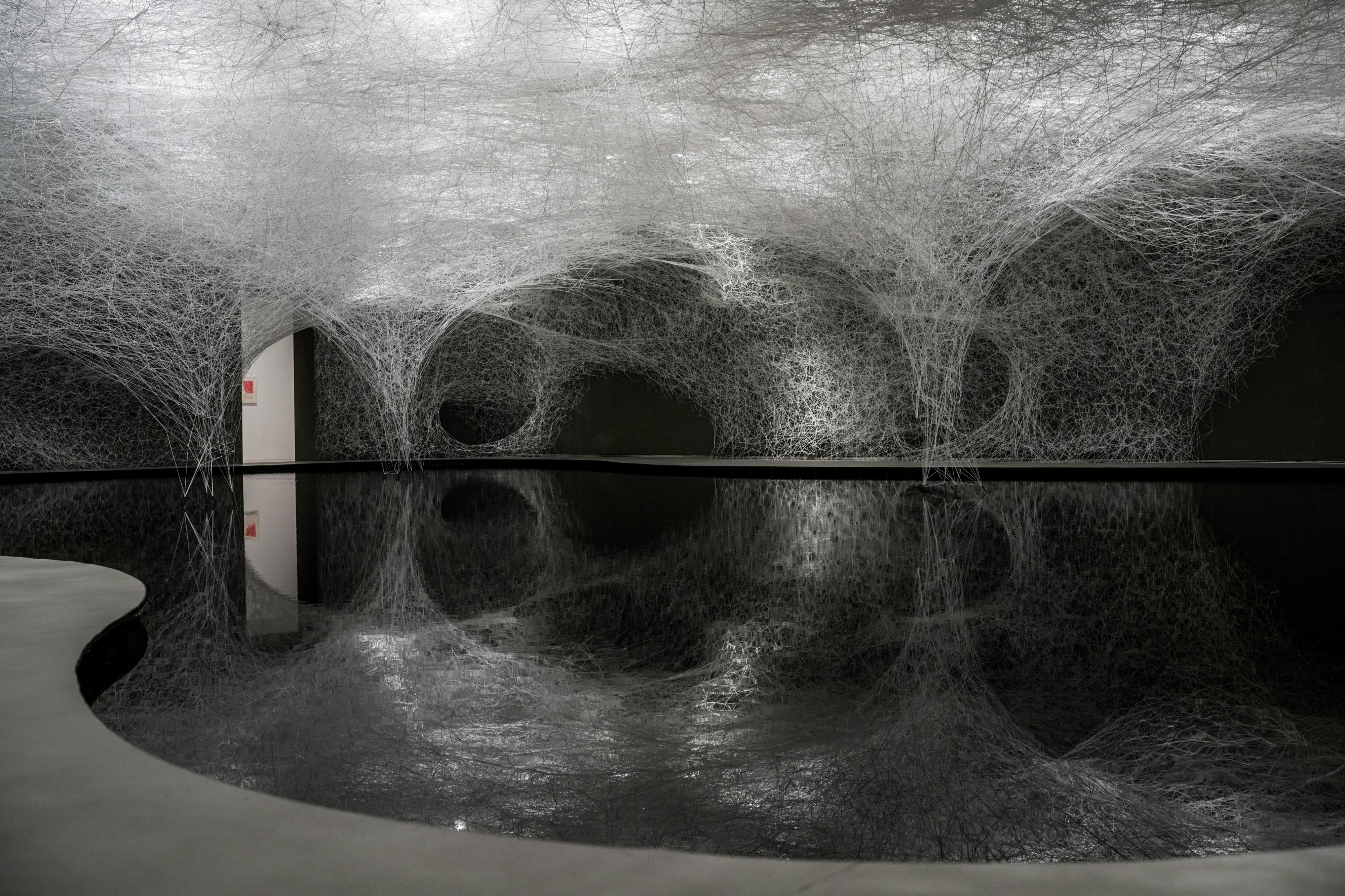
水,是盐田千春创作中反复回返的意象。对她而言,水既是生命的最初处所,也是情感的直接载体。本次展览的核心装置《记忆的水面》,正是这一长久思考的凝结。展厅中延展的白色线织结构,既似大脑的神经网络,又如蒸腾的湖面水汽。细线之上,水滴凝聚、坠落,激起层层涟漪——记忆如涟漪般随时间淡去,但水面之下始终沉着未被搅动的深处。每一滴水的落下,都让生命中种种隐秘的联系再次浮现。
“白”在此获得了独特的语义:它不是空无,而是一切曾经存在的痕迹。韩江在《白》中写道,“白是悄然无声、不悲不喜从天空降落的一万片雪”,以日常中的白色事物编织对生命脆弱与坚韧的沉思。高村光太郎笔下的白,是事物消逝前最后的形态,是记忆褪色后仍不肯散去的轮廓。而盐田千春的白,是神经,是水汽,是内在宇宙探出表面的末梢——它们彼此缠绕、分叉、延伸,从不闭合。白色线网悬浮于半空,如同时刻面临消散却始终停留的记忆本身。
水面,恰恰处于可见与不可见的交界。它既是表象的终点,也是深处的起点。每一个走进这个空间的人,都是另一滴水珠。目光、呼吸、移动,都将在丝线的颤动中留下痕迹。那些长期被语言拒之门外的感受——模糊的、未完成的、不确定的——或许会在这片白色中获得形态。
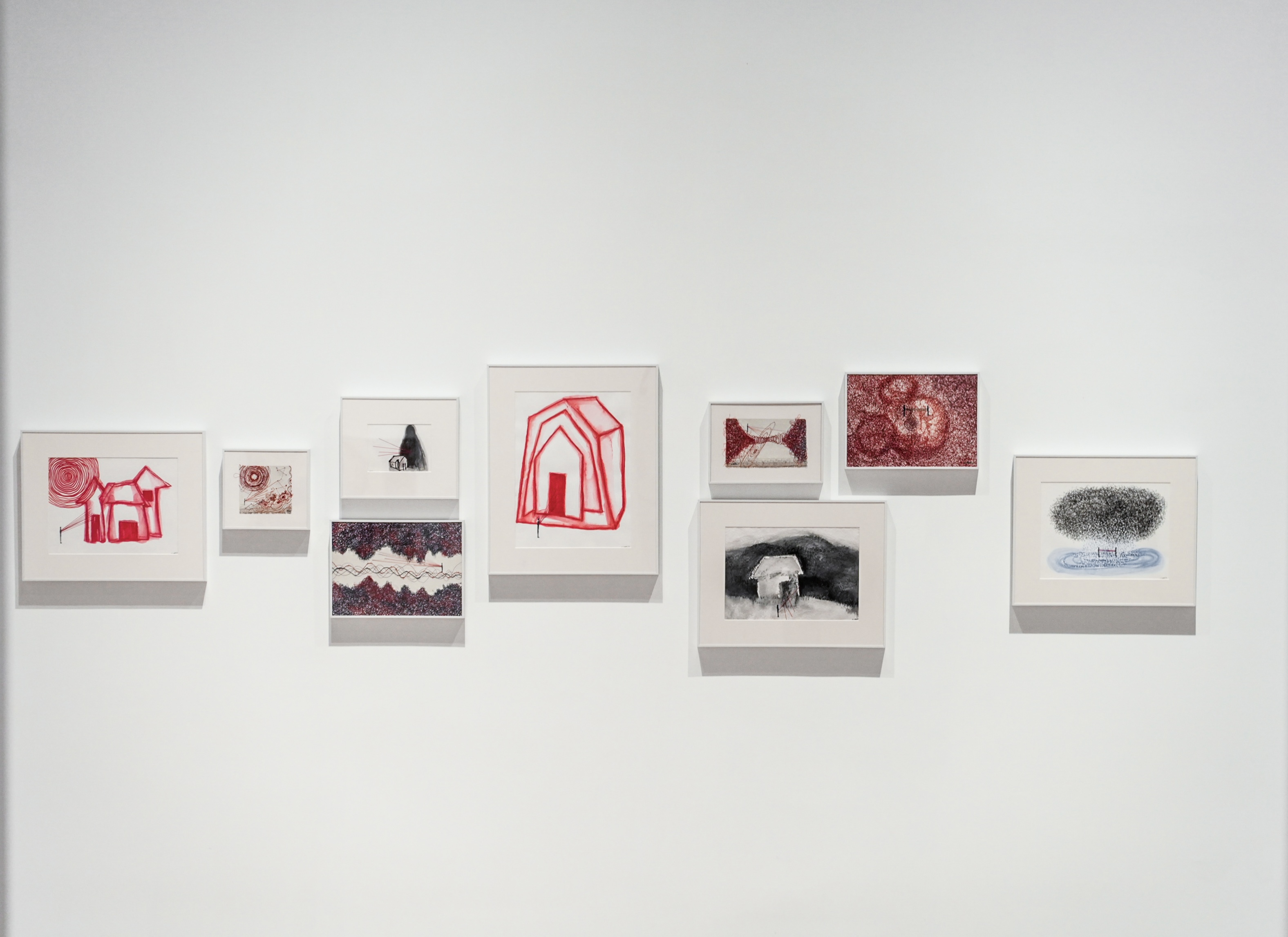
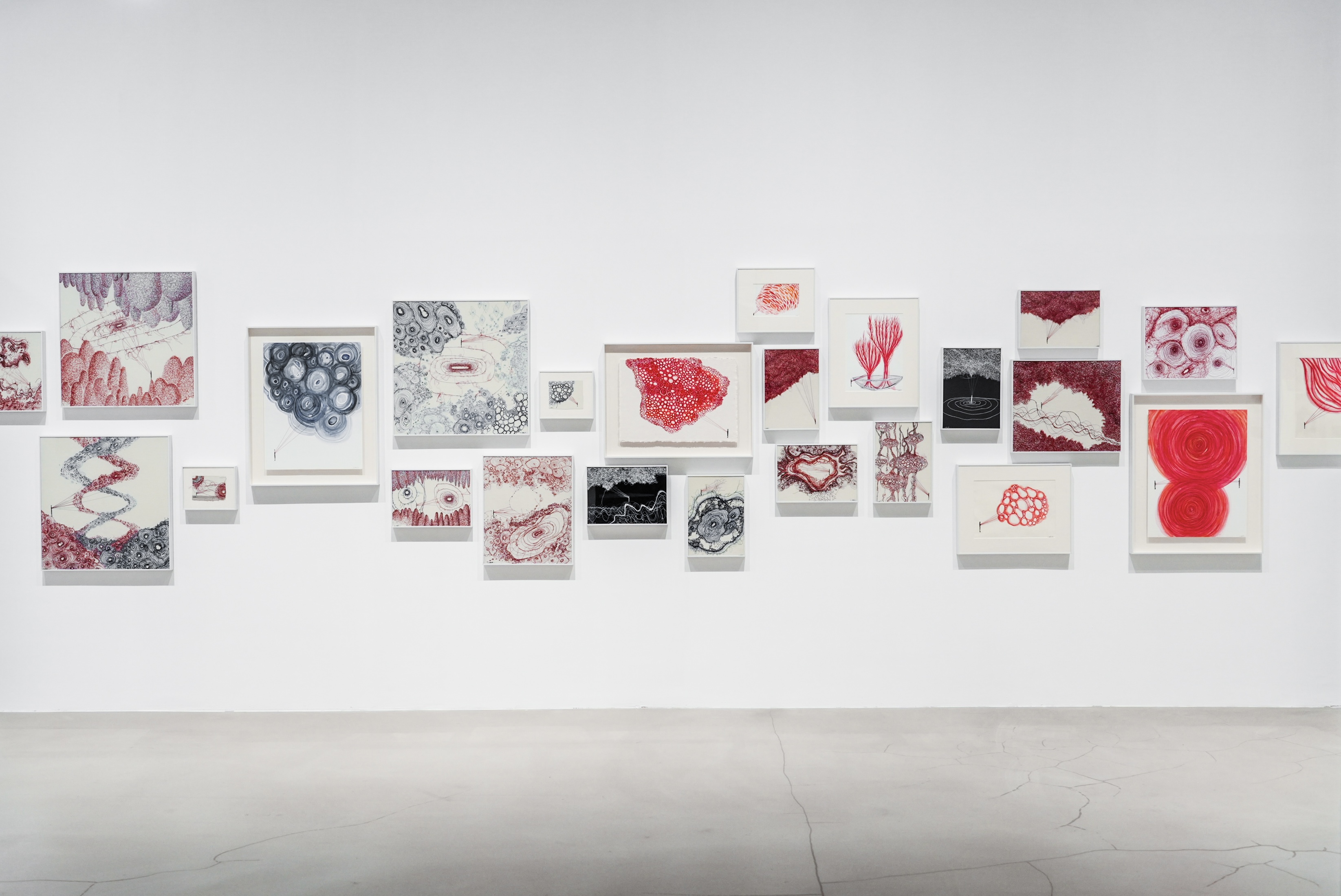
本次展览不提供答案,而是提供一片可供独自面对的水面。观看他者记忆的同时,观众也被唤回自身的内在宇宙:那些被日常遮蔽、尚未命名的部分,正等待一次滴落将它们激起。盐田千春终其创作生涯所探寻的,正是这片属于每一个人的内在水面——那些潜藏于意识底层的思绪、情感与记忆,如同水下的根系与脉动,从未停止生长,却极少被凝视。
让内在世界显现,始终伴随风险。盐田承认,“让他人看见我们的内在,是一种冒险。有时袒露太多会带来误解和评判,但更多时候,分享我们的感受也意味着建立连接。”艺术创作,在她看来,正是创造连接的过程——将个体意识与周遭世界相连,也将个人经验与更宏大的存在彼此勾连。本次展览所期望的,并非提供答案,而是开启一条通道:从可见的表层潜入不可见的深处,从稳固的地面走向波动的水面。
水面之上,是观者立足的现实;水面之下,是盐田千春以线编织的、属于每个人的内在宇宙。步入这片记忆的水面,在丝线的交织与水波的荡漾中,重新发现那些被遗忘的、被隐匿的、尚未命名的自我。
Hangzhou is a city woven with water. The shimmer of West Lake, the shadows of boats on the Grand Canal, and the drifting mist of the rainy season together form the foundational fabric of this city's spatial experience.Water seeps into brick walls, flows over bridge arches, and reflects every passerby who passes by.
Water is a recurring motif in Chiharu Shiota's work. For her, it is both the original site of life and the direct vessel of emotion. The centerpiece of this exhibition, Reflection of Memory, is the condensation of this long-standing meditation. The expansive white thread structures in the gallery recall both the neural networks of the brain and the evaporating mist above a lake. Upon the fine threads, water droplets gather and fall, stirring ripples layer after layer—memory fades with time like these ripples, yet beneath the surface there always lies an undisturbed depth. Each falling drop brings to light once again the hidden connections that run through life.
"White" here acquires a distinctive meaning: it is not emptiness,but the trace of all that once was. Han Kang writes in The White Book that "white is ten thousand snowflakes falling silently from the sky, without sorrow or joy", and he weaves everyday white objects into a meditation on the fragility and tenacity of life. Takamura Kotaro's white is the final form of things before they vanish, the contour that refuses to disperse even as memory fades. And Shiota's white is nerve, is vapor, is the endings of an inner surfacing outward entagling, bifurcating, extending, never closing. The white mesh of threads hangs in mid-air, like memory itself, perpetually on the verge of dissolution yet always remaining.
The surface of water lies precisely at the boundary between the visible and the invisible. It is both the terminus of appearance and the threshold of depth. Every person who enters this space is another droplet. Gazes, breaths, movements—all will leave their traces in the trembling of the threads. Those sensations long excluded by language—the vague, the unfinished, the uncertain—might here find their form within this expanse of white.
This exhibition offers no answers,but a surface of water for each viewer to face alone. While witnessing the memories of others, the audience is also called back to their own inner universe: those obscured, unnamed parts of the self, waiting for a drop to stir them into motion. What Chiharu Shiota has sought throughout her career is precisely this inner surface belonging to every individual—those thoughts, emotions, and memories lying beneath the level of consciousness, like roots and rhythms under water, never ceasing to grow yet seldom gazed upon.
Making the inner world visible always comes with risk. Shiota admits, “Letting others see what is inside us is an act of exposure. Sometimes revealing too much invites misunderstanding and judgment, but more often, sharing our feelings also means forging connections.” Art-making, in her view, is precisely a process of creating connections—linking individual consciousness to the surrounding world, and interweaving personal experience with a greater, more encompassing existence. What this exhibition hopes to offer is not an answer, but a passage: to dive from the visible surface into invisible depths, to step from solid ground onto the wavering surface of water.
Above the surface lies the reality where the viewer stands;below it lies the inner universe Shiota weaves with threads—a universe that belongs to each one of us. Step into this surface of memory, and amid the interweaving of threads and the rippling of water, rediscover the forgotten, the concealed, the as-yet-unnamed self.
水,是盐田千春创作中反复回返的意象。对她而言,水既是生命的最初处所,也是情感的直接载体。本次展览的核心装置《记忆的水面》,正是这一长久思考的凝结。展厅中延展的白色线织结构,既似大脑的神经网络,又如蒸腾的湖面水汽。细线之上,水滴凝聚、坠落,激起层层涟漪——记忆如涟漪般随时间淡去,但水面之下始终沉着未被搅动的深处。每一滴水的落下,都让生命中种种隐秘的联系再次浮现。
“白”在此获得了独特的语义:它不是空无,而是一切曾经存在的痕迹。韩江在《白》中写道,“白是悄然无声、不悲不喜从天空降落的一万片雪”,以日常中的白色事物编织对生命脆弱与坚韧的沉思。高村光太郎笔下的白,是事物消逝前最后的形态,是记忆褪色后仍不肯散去的轮廓。而盐田千春的白,是神经,是水汽,是内在宇宙探出表面的末梢——它们彼此缠绕、分叉、延伸,从不闭合。白色线网悬浮于半空,如同时刻面临消散却始终停留的记忆本身。
水面,恰恰处于可见与不可见的交界。它既是表象的终点,也是深处的起点。每一个走进这个空间的人,都是另一滴水珠。目光、呼吸、移动,都将在丝线的颤动中留下痕迹。那些长期被语言拒之门外的感受——模糊的、未完成的、不确定的——或许会在这片白色中获得形态。
本次展览不提供答案,而是提供一片可供独自面对的水面。观看他者记忆的同时,观众也被唤回自身的内在宇宙:那些被日常遮蔽、尚未命名的部分,正等待一次滴落将它们激起。盐田千春终其创作生涯所探寻的,正是这片属于每一个人的内在水面——那些潜藏于意识底层的思绪、情感与记忆,如同水下的根系与脉动,从未停止生长,却极少被凝视。
让内在世界显现,始终伴随风险。盐田承认,“让他人看见我们的内在,是一种冒险。有时袒露太多会带来误解和评判,但更多时候,分享我们的感受也意味着建立连接。”艺术创作,在她看来,正是创造连接的过程——将个体意识与周遭世界相连,也将个人经验与更宏大的存在彼此勾连。本次展览所期望的,并非提供答案,而是开启一条通道:从可见的表层潜入不可见的深处,从稳固的地面走向波动的水面。
水面之上,是观者立足的现实;水面之下,是盐田千春以线编织的、属于每个人的内在宇宙。步入这片记忆的水面,在丝线的交织与水波的荡漾中,重新发现那些被遗忘的、被隐匿的、尚未命名的自我。
Hangzhou is a city woven with water. The shimmer of West Lake, the shadows of boats on the Grand Canal, and the drifting mist of the rainy season together form the foundational fabric of this city's spatial experience.Water seeps into brick walls, flows over bridge arches, and reflects every passerby who passes by.
Water is a recurring motif in Chiharu Shiota's work. For her, it is both the original site of life and the direct vessel of emotion. The centerpiece of this exhibition, Reflection of Memory, is the condensation of this long-standing meditation. The expansive white thread structures in the gallery recall both the neural networks of the brain and the evaporating mist above a lake. Upon the fine threads, water droplets gather and fall, stirring ripples layer after layer—memory fades with time like these ripples, yet beneath the surface there always lies an undisturbed depth. Each falling drop brings to light once again the hidden connections that run through life.
"White" here acquires a distinctive meaning: it is not emptiness,but the trace of all that once was. Han Kang writes in The White Book that "white is ten thousand snowflakes falling silently from the sky, without sorrow or joy", and he weaves everyday white objects into a meditation on the fragility and tenacity of life. Takamura Kotaro's white is the final form of things before they vanish, the contour that refuses to disperse even as memory fades. And Shiota's white is nerve, is vapor, is the endings of an inner surfacing outward entagling, bifurcating, extending, never closing. The white mesh of threads hangs in mid-air, like memory itself, perpetually on the verge of dissolution yet always remaining.
The surface of water lies precisely at the boundary between the visible and the invisible. It is both the terminus of appearance and the threshold of depth. Every person who enters this space is another droplet. Gazes, breaths, movements—all will leave their traces in the trembling of the threads. Those sensations long excluded by language—the vague, the unfinished, the uncertain—might here find their form within this expanse of white.
This exhibition offers no answers,but a surface of water for each viewer to face alone. While witnessing the memories of others, the audience is also called back to their own inner universe: those obscured, unnamed parts of the self, waiting for a drop to stir them into motion. What Chiharu Shiota has sought throughout her career is precisely this inner surface belonging to every individual—those thoughts, emotions, and memories lying beneath the level of consciousness, like roots and rhythms under water, never ceasing to grow yet seldom gazed upon.
Making the inner world visible always comes with risk. Shiota admits, “Letting others see what is inside us is an act of exposure. Sometimes revealing too much invites misunderstanding and judgment, but more often, sharing our feelings also means forging connections.” Art-making, in her view, is precisely a process of creating connections—linking individual consciousness to the surrounding world, and interweaving personal experience with a greater, more encompassing existence. What this exhibition hopes to offer is not an answer, but a passage: to dive from the visible surface into invisible depths, to step from solid ground onto the wavering surface of water.
Above the surface lies the reality where the viewer stands;below it lies the inner universe Shiota weaves with threads—a universe that belongs to each one of us. Step into this surface of memory, and amid the interweaving of threads and the rippling of water, rediscover the forgotten, the concealed, the as-yet-unnamed self.